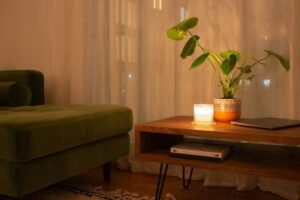
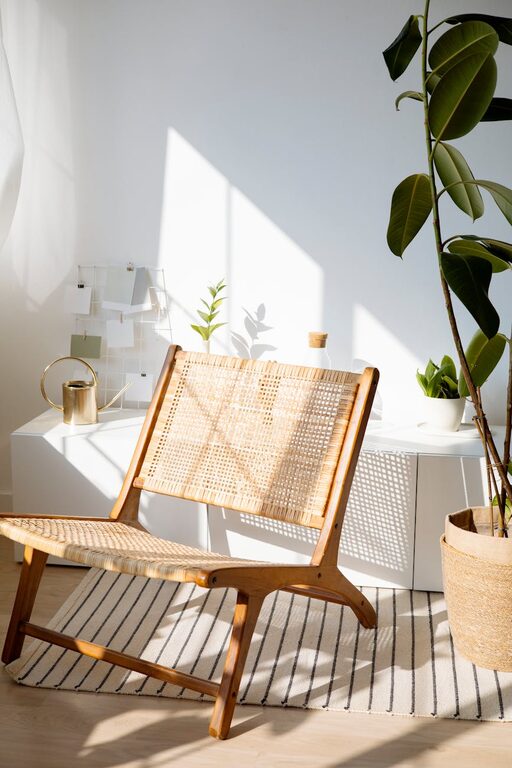
Creating a relaxing living space begins with the foundation of order and calm—something that can often feel out of reach if clutter overwhelms your home. Decluttering is not just about tidying up; it’s a mindful process that helps clear both your environment and your mind. If you’re ready to transform your home into a peaceful retreat, these practical tips will guide you step by step.
Why Decluttering Matters
Clutter can increase stress and reduce your ability to relax. When your home is filled with unnecessary items, it can feel chaotic and disorganised. By decluttering, you create more space, make your home easier to clean, and foster a calm atmosphere that supports your well-being.
—
Getting Started: Plan Your Decluttering
Set Clear Goals
Before diving in, think about what you want to achieve. Are you looking to create a minimalist bedroom, a tidy living room, or a more organised kitchen? Setting goals helps keep you motivated and focused.
Schedule Time
Decluttering can take time, so set aside specific periods in your diary. Even 20 minutes a day can make a big difference over time.
Gather Supplies
Have boxes or bags ready for sorting items into categories such as keep, donate, recycle, or throw away.
—
Room-by-Room Decluttering Tips
Living Room
– Clear Surfaces: Remove unnecessary items from coffee tables, shelves, and media units. Keep only what you use or love.
– Organise Cables and Remotes: Use cable organisers and drawer trays to keep electronic accessories tidy.
– Reassess Decor: Too many decorative items can make a space feel cluttered. Keep a few favourites to maintain a cosy atmosphere.
Kitchen
– Purge Expired Items: Check your pantry and fridge regularly and dispose of anything past its use-by date.
– Limit Countertop Items: Keep only daily essentials on your work surfaces to maintain openness.
– Use Clear Storage: Transparent containers help you see what you have and reduce the likelihood of repeats.
Bedroom
– Declutter Surfaces and Drawers: Clear bedside tables and organise drawers to create a restful environment.
– Sort Clothes: Donate or recycle items you no longer wear. If unsure, consider the “one-year rule” — if you haven’t worn it in a year, it might be time to say goodbye.
– Limit Knick-Knacks: Too many personal items can distract your mind from resting.
Bathroom
– Throw Away Expired Products: Old makeup, toiletries, and medications take up valuable space.
– Use Vertical Storage: Shelves and hooks help keep surfaces clear and organised.
– Simplify Decor: A few well-chosen items help create a serene atmosphere.
—
Decluttering Techniques to Try
The Four-Box Method
Label four boxes: Keep, Donate, Sell, and Trash. Sort every item into one of these to make decisions faster and clearer.
The 15-Minute Rule
Set a timer for 15 minutes and focus on decluttering one small area. Short bursts make the task less daunting and help maintain momentum.
The “One In, One Out” Rule
For every new item brought into your home, remove an old one. This helps prevent clutter from building up again.
—
Maintaining Your Decluttered Space
Create Daily Habits
Spend a few minutes each day tidying up to prevent clutter from accumulating.
Storage Solutions
Invest in smart storage options like baskets, drawers, and organisers to keep things neat and accessible.
Digital Declutter
Don’t forget your digital space! Organise files and emails regularly to reduce mental clutter.
—
Benefits Beyond the Space
Decluttering your home does more than just improve its appearance. Many people find that a clutter-free environment:
– Reduces stress and anxiety
– Enhances focus and productivity
– Makes cleaning easier and faster
– Increases feelings of control and calm
—
Final Thoughts
Decluttering your home doesn’t have to be an overwhelming chore. By planning thoughtfully, tackling rooms step by step, and cultivating daily habits, you can create a living space that truly feels like a relaxing sanctuary. Remember, the goal is progress, not perfection. Enjoy the process and the peace that follows.