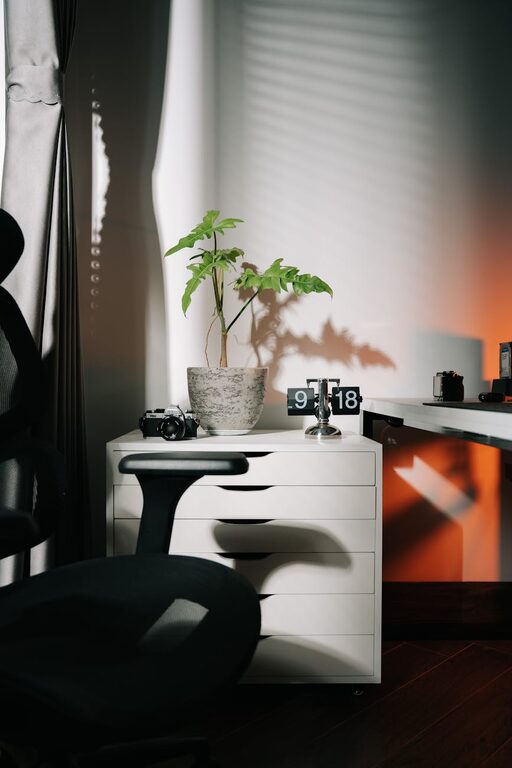
Creating a relaxing home office environment is essential for maintaining focus, reducing stress, and achieving a healthy work-life balance. With many people spending significant time working from home, having a space that fosters calm and productivity can make a big difference to your daily routine. Here are some practical tips to help you design a home office that feels good to be in.
Choose the Right Location
The first step in creating a relaxing home office is selecting a suitable spot. Ideally, it should be a quiet area with minimal distractions.
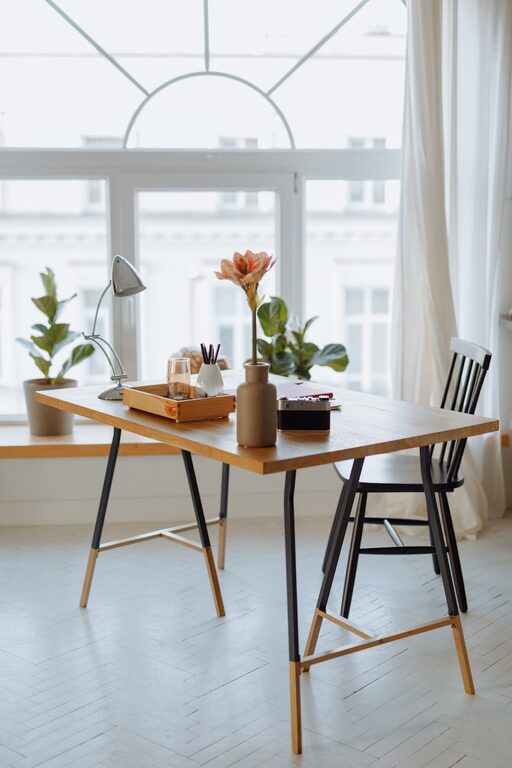
– Natural light: Position your desk near a window if possible. Natural light improves mood and energy levels.
– Away from noise: Avoid placing your workspace next to busy rooms like kitchens or living areas.
– Separate space: If space allows, dedicate a specific room or corner for work to mentally separate work from leisure.
Prioritise Ergonomic Comfort
Comfort is key to staying relaxed throughout the day. Ergonomic furniture supports better posture and prevents discomfort.
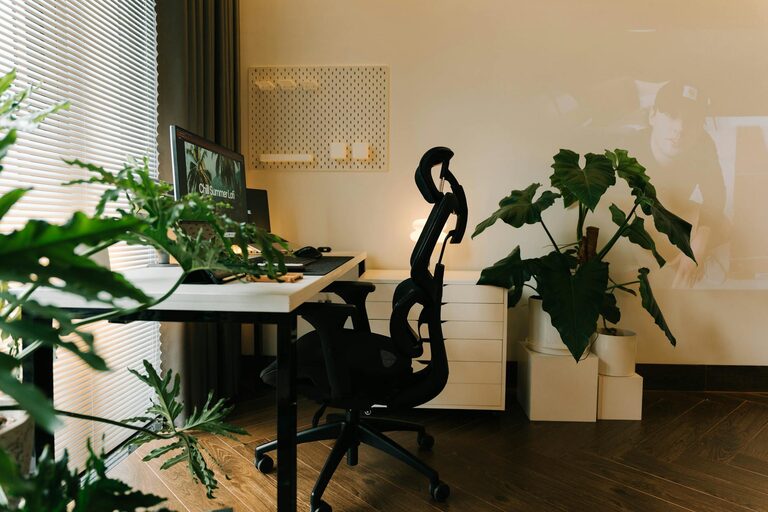
– Good chair: Invest in an adjustable office chair that supports your lower back.
– Desk height: Ensure your desk is at a comfortable height for typing and writing.
– Monitor placement: The top of your screen should be at or slightly below eye level.
– Accessories: Consider footrests, wrist supports, and keyboard trays if needed.
Declutter and Organise
A tidy workspace promotes calmness and helps maintain focus.
– Minimal possessions: Keep only items you regularly use on your desk.
– Storage solutions: Use shelves, drawers, or organisers to manage papers and supplies.
– Daily tidy-up: Spend a few minutes clearing your desk at the end of each day.
Use Calming Colours and Decor
Colours can impact mood and stress levels. Choose a colour scheme that promotes relaxation.
– Soft tones: Light blues, greens, and neutral colours are calming choices.
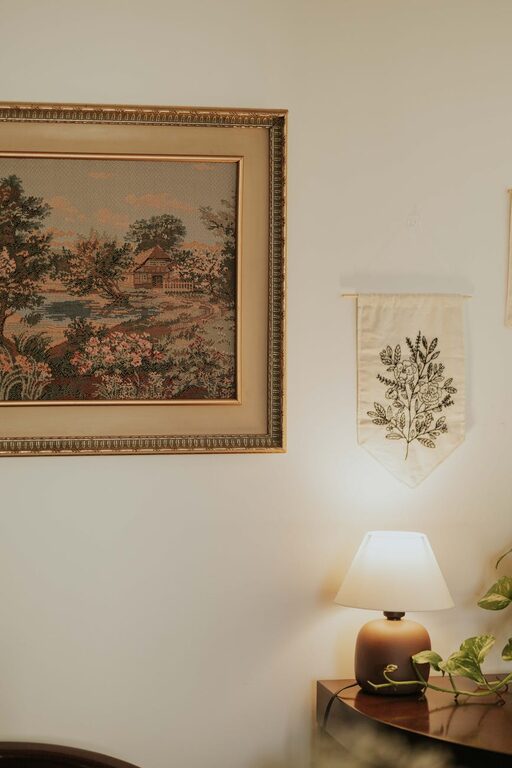
– Personal touches: Add plants, artwork, or photos that inspire you.
– Avoid clutter: Decorations should enhance relaxation, not overwhelm your space.
Incorporate Plants
Plants can improve air quality and create a peaceful atmosphere.
– Easy-care plants: Options like snake plants, pothos, or succulents are low maintenance.
– Placement: Position plants where they catch natural light but don’t clutter your workspace.
– Benefits: Studies show plants can reduce stress and increase productivity.
Control Lighting
Lighting affects comfort and eye strain. Good lighting also helps create a relaxing mood.
– Natural vs artificial: Use natural light wherever possible during the day.
– Task lighting: Add a desk lamp with adjustable brightness for focused work.
– Avoid glare: Position screens and lights to reduce reflections on monitors.
Manage Noise Levels
A noisy environment can be distracting and stressful.
– Soundproofing: Use rugs, curtains, or acoustic panels to absorb sound.
– White noise: Consider a white noise machine or app to mask distracting background noise.
– Noise-cancelling headphones: These can be a useful investment if you work in a noisy home or shared space.
Maintain Good Air Quality
Fresh air supports concentration and comfort.
– Ventilation: Open windows to let in fresh air regularly.
– Air purifiers: Consider a small air purifier if your room lacks ventilation.
– Humidity: Use a humidifier to maintain comfortable moisture levels, especially in winter.
Establish a Routine
Creating a routine helps your mind associate the space with focused, productive work.
– Start and finish times: Set clear working hours and stick to them.
– Breaks: Take regular short breaks to stretch, walk, or relax your eyes.
– Work rituals: Simple habits like making a cup of tea before work can motivate you.
Add Comfort Features
Finally, don’t forget to add small comforts that make the space feel inviting.
– Soft cushions or a throw: For added comfort during longer work sessions.
– A favourite mug or snack: Little personal touches can uplift your mood.
– A clock or timer: Helps keep track of work periods and breaks without checking your phone constantly.
—
By investing some time and care into setting up your home office environment, you can establish a space that supports both your productivity and wellbeing. Combining comfort, organisation, and calming elements will help you enjoy your work and reduce everyday stress. Remember, your home office should be a place where you feel both relaxed and motivated.