
Creating a home workspace that is both organised and productive can make a significant difference to your workday. Whether you’re working remotely full-time, freelancing, or simply managing home tasks, a well-planned environment helps reduce distractions and improves concentration. Here are some useful tips to set up a home workspace that supports your efficiency and wellbeing.
Choose the Right Location
The first step is selecting a suitable space for your workspace. Ideally, this should be a quiet corner or room with minimal interruptions. Some things to consider:
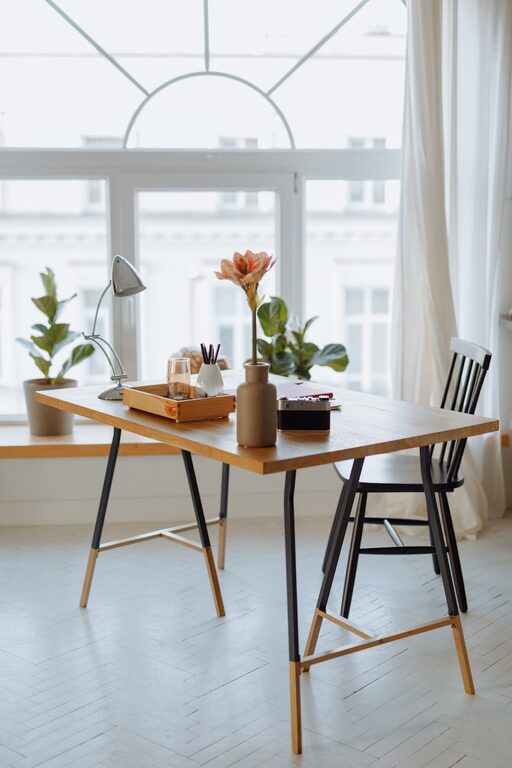
– Natural light: Position your desk near a window if possible to benefit from daylight, which can improve mood and focus.
– Away from distractions: Avoid areas near the TV, kitchen, or places with heavy foot traffic.
– Sufficient space: Ensure you have enough room for your computer, paperwork, and any other tools you regularly use.
Invest in Comfortable, Ergonomic Furniture
Spending long hours sitting demands attention to your comfort and posture. Consider these points:
– Desk height: Choose a desk that suits your height or one that can adjust in height to allow standing options.
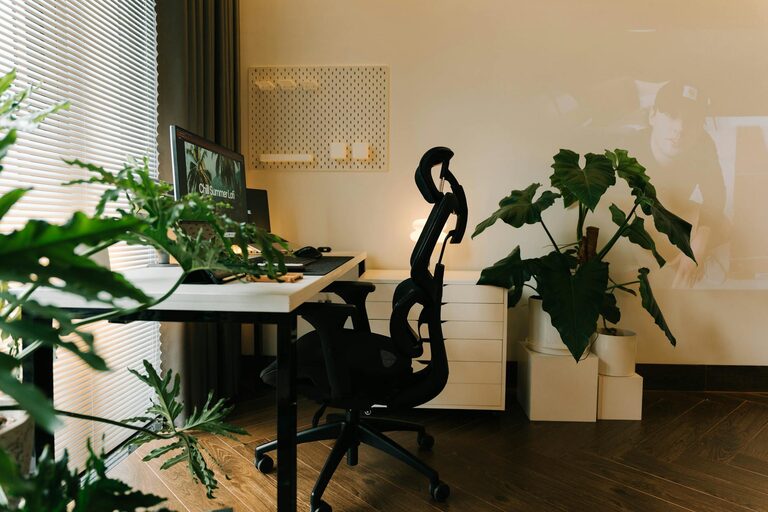
– Chair: Invest in an ergonomic chair with adjustable height, good lumbar support, and comfortable padding.
– Arrange for good posture: Position your screen at eye level and keep your feet flat on the floor to reduce strain.
Keep Your Workspace Clutter-Free
Clutter can be a significant distraction and contribute to stress. Use these organisation strategies:
– Desk organisers: Use trays, pen holders, and drawer dividers to keep small items in order.
– Limit items on your desk: Keep only the essentials on your desktop to create a clean working surface.
– Regular tidying: Spend a few minutes at the end of each day clearing your workspace.
Use Storage Solutions Wisely
Having places to store materials neatly is key to maintaining organisation:
– Shelves and filing cabinets: Store documents and supplies off your desk but within easy reach.
– Label containers: Clearly label boxes or folders so you can quickly find what you need.
– Cable management: Use clips, ties, or covers to tidy up cables and avoid tangles.
Personalise Your Workspace Thoughtfully
Personal touches can make your workspace feel more welcoming without becoming distracting:
– Plants: Adding some greenery can enhance air quality and reduce stress.
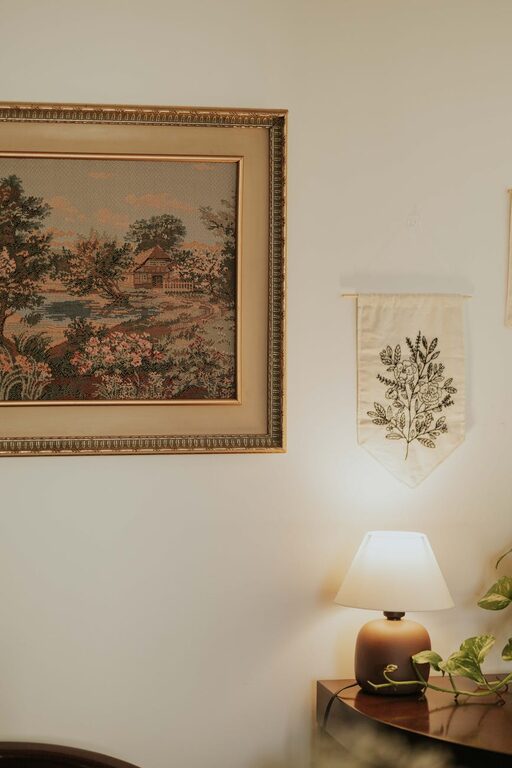
– Artwork or photos: Choose inspiring images that motivate you but avoid cluttering the walls.
– Lighting: Apart from natural light, use a desk lamp with adjustable brightness for evening work.
Establish a Routine and Boundaries
Your environment supports productivity, but habits matter as well:
– Set working hours: Define clear start and finish times to separate work from personal life.
– Take regular breaks: Stand, stretch, or move around every hour to maintain energy and prevent fatigue.
– Avoid multitasking: Focus on one task at a time to improve quality and speed.
Utilise Digital Tools to Stay Organised
Technology can complement your physical environment:
– Task management apps: Use tools like Trello or Asana to track projects and deadlines.
– Note-taking apps: Capture ideas or to-dos quickly with apps such as Evernote or OneNote.
– Calendar planning: Schedule your day to allocate specific times for work, breaks, and meetings.
Keep Your Workspace Clean and Sanitised
A clean workspace also supports health and productivity:
– Regular dusting and wiping: Remove dust and dirt from surfaces and equipment weekly.
– Sanitise high-touch areas: Especially keyboards, mouse, and phone regularly.
– Air quality: If possible, open windows or use an air purifier to keep the air fresh.
Adapt and Evolve Your Setup
Your needs may change over time, so be flexible:
– Review periodically: Assess what works and what doesn’t every few months.
– Experiment: Try different arrangements or tools to find what boosts your productivity.
– Listen to your body: Adjust your setup if you experience discomfort or fatigue.
—
Creating an organised and productive home workspace is about blending comfort, efficiency, and personal preference. By carefully choosing your space, investing in quality furniture, keeping things tidy, and establishing routines, you can create an environment that helps you focus and achieve more every day. Remember that small adjustments can make a big difference, so start simple and build your ideal workspace step by step.